
100+ Male Brown Dog Names and Meanings
Bruno, meaning “brown,” is a strong starting point for your male dog; Copper highlights reddish fur, while Cocoa suits a deep chocolate coat.
For a softer feel, Teddy brings a cuddly bear association, and Biscuit fits warm tan coloring.
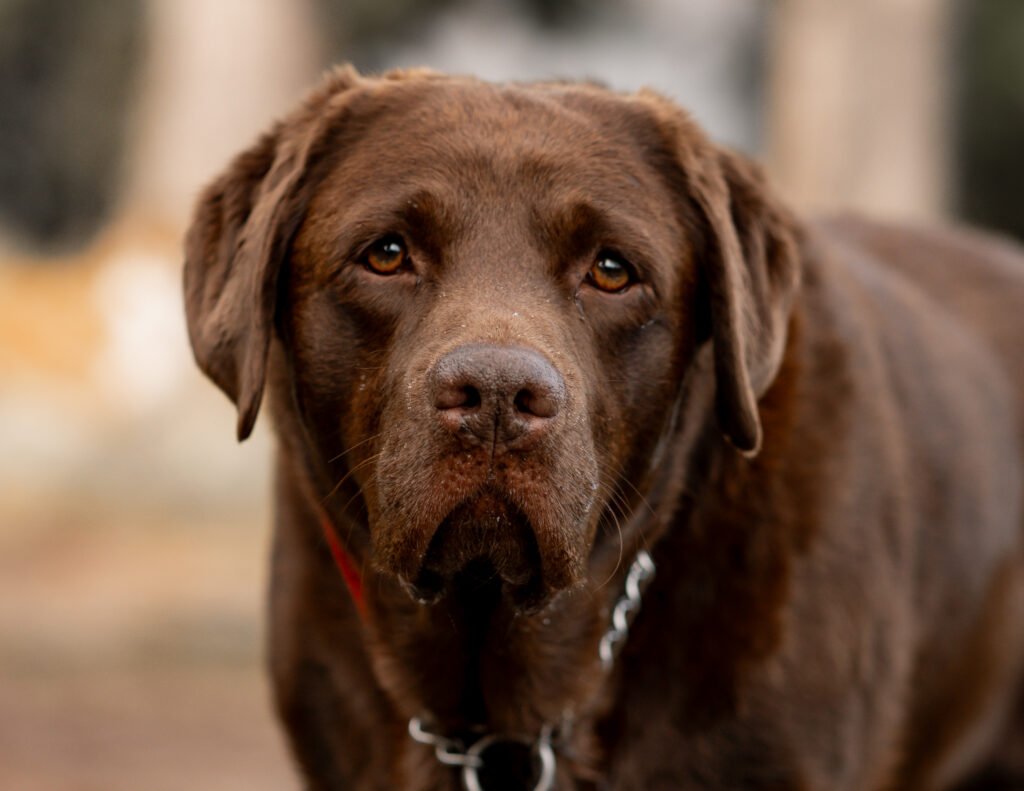
Your dog’s shade gives you a useful starting point, whether you’re naming a chocolate Labrador or a brown-and-white rescue.
The meanings below separate literal definitions from playful inspirations. Food and drink names belong on your dog’s tag; keep chocolate, coffee, and alcohol out of his bowl.
- Bruno – Bruno comes from a Germanic word meaning “brown,” giving your dog a direct color connection and a familiar, two-syllable name.
- Bear – Bear draws inspiration from brown bears, making your thick-coated dog’s name feel sturdy. Its single syllable keeps calling straightforward.
- Teddy – Teddy evokes a soft brown teddy bear, giving your curly-coated or fluffy companion a gentle, familiar name.
- Copper – Copper names the reddish metal, matching your dog’s orange-brown highlights especially well when sunlight brings out his coat’s warmth.
- Rusty – Rusty refers to rust’s reddish-brown coloring, making it an easygoing choice for your red-brown puppy or copper-flecked adult dog.
- Moose – Moose borrows its inspiration from the large, dark-brown woodland animal. You get a short name with a substantial, outdoorsy feel.
- Cocoa – Cocoa takes its inspiration from cocoa powder’s brown color, giving your chocolate-coated dog a soft-sounding name with two clear syllables.
- Mocha – Mocha evokes chocolate-and-coffee drinks, connecting your dog’s medium-to-dark brown coat with a rich, familiar shade.
- Biscuit – Biscuit brings golden baked edges to mind, making your tan dog’s name feel warm and lightly playful.
- Chestnut – Chestnut refers to the glossy brown nut and its reddish-brown color, highlighting your dog’s warm undertones.
- Hershey – Hershey borrows its inspiration from the chocolate brand, giving your dark-brown dog a recognizable candy connection.
- Brownie – Brownie evokes the chocolate dessert, giving your brown-coated companion a straightforward color reference with a cheerful sound.
- Toffee – Toffee takes its inspiration from golden-brown candy, matching your caramel-colored dog’s coat and offering an easy two-syllable call.
- Peanut – Peanut recalls a peanut’s tan shell, making it a playful fit for your small dog with light-brown coloring.
- Oak – Oak draws on the tree’s brown bark and timber, giving your dog a compact woodland name with a solid sound.
- Hickory – Hickory references the North American tree and its brown nuts, connecting your dog’s earthy coloring with a woodland inspiration.
- Cedar – Cedar evokes aromatic wood with warm reddish tones, making your red-brown dog’s name feel grounded and outdoorsy.
- Walnut – Walnut references the nut’s brown shell and rich-colored wood, complementing your dog’s medium or deep chocolate coat.
- Acorn – Acorn names the oak tree’s nut, giving your small brown puppy a woodland connection that also suits an adult dog.
- Woody – Woody suggests woods and timber, pairing your dog’s brown coat with an informal, familiar name.
- Fudge – Fudge draws inspiration from chocolate confectionery, matching your dog’s dense, dark-brown coloring with a short, rounded sound.
- Snickers – Snickers references the chocolate, caramel, and peanut candy bar, making a playful match for your dog’s mixed brown-and-tan markings.
- Reese – Reese evokes Reese’s chocolate-and-peanut-butter candy, linking your dog’s chocolate coat or tan points to a recognizable treat.
- Rolo – Rolo borrows from the chocolate-covered caramel candy, fitting your brown dog with golden highlights. Its two syllables roll out easily.
- Chip – Chip suggests a chocolate chip, making your brown-spotted or chocolate-coated dog’s name short and cheerful.
- Cookie – Cookie brings golden dough and chocolate chips to mind, suiting your brown-and-white dog or tan puppy with darker markings.
- Truffle – Truffle evokes a chocolate confection or an earthy fungus, giving your dark-brown dog a rich food-inspired association.
- Caramel – Caramel names cooked sugar’s golden-brown color, highlighting your dog’s honeyed tan coat. Choose the pronunciation your household naturally shares.
- Butterscotch – Butterscotch takes inspiration from buttery golden candy, complementing your light-brown dog’s coloring. “Scotch” offers you a shorter everyday call.
- Waffles – Waffles recalls a golden-brown breakfast favorite, giving your tan companion a playful name with a clear two-syllable rhythm.
- Toast – Toast refers to browned bread, making your golden-coated dog’s name brief and especially fitting for darker ears or edges.
- Pretzel – Pretzel evokes a baked brown crust, pairing your medium-brown dog’s coloring with a distinctive, lightly comic food name.
- Graham – Graham suggests honey-brown graham crackers, giving your tan dog a familiar human-style name with a subtle food connection.
- Cheddar – Cheddar references the cheese’s golden-orange shades, making your orange-tan dog the strongest color match for this cheerful name.
- Nugget – Nugget suggests a golden mineral piece or browned bite of food, fitting your compact dog with warm tan coloring.
- Tater – Tater is an informal word for potato, linking your sandy-brown dog’s name to an earthy skin color.
- Bean – Bean draws inspiration from brown beans or roasted coffee beans, giving your little companion a short, affectionate name.
- Pinto – Pinto evokes speckled pinto beans and patterned horses, making your brown-and-white dog’s markings the connection.
- Pecan – Pecan references the nut’s warm brown shell, complementing your chestnut-coated dog. Use your household’s familiar pronunciation consistently.
- Almond – Almond takes inspiration from the nut’s brown skin and pale interior, suiting your light-brown dog or cream-and-tan companion.
- Cashew – Cashew evokes the curved, pale golden nut, making your cream-to-light-tan dog a closer color match than a dark chocolate coat.
- Hazelnut – Hazelnut references a warm brown shell, giving your medium-brown dog a woodland-food crossover. “Hazel” offers a shorter call.
- Nutmeg – Nutmeg names a brown aromatic spice, complementing your dog’s warm, earthy coloring.
- Cinnamon – Cinnamon evokes reddish-brown bark and ground spice, highlighting your dog’s copper undertones. “Cinny” shortens the everyday call.
- Clove – Clove refers to the dark-brown dried flower-bud spice, making your deep chocolate dog’s name compact and distinctive.
- Ginger – Ginger evokes reddish hair coloring and golden-brown spice, making your red-toned male dog a natural match.
- Chai – Chai means “tea” in Hindi; your naming inspiration is the warm tan color of milk tea. Say it “CHYE.”
- Java – Java is an Indonesian island whose name also means coffee informally, giving your dark-brown dog a lively two-syllable option.
- Espresso – Espresso references concentrated coffee, matching your dog’s deep brown coat. Say “ess-PRESS-oh”; “Espo” offers a shorter nickname.
- Latte – Latte draws inspiration from espresso mixed with milk, reflecting your dog’s pale coffee-brown coloring. Say it “LAH-tay.”
- Macchiato – Macchiato means “stained” or “marked” in Italian, fitting your brown-and-white dog through its coffee association. Say “mah-kee-AH-toh.”
- Cortado – Cortado names espresso cut with warm milk, echoing your dog’s medium coffee-brown coat. Say it “kor-TAH-doh.”
- Whiskey – Whiskey takes inspiration from aged spirits’ amber-brown color, complementing your golden-brown dog with a familiar two-syllable sound.
- Bourbon – Bourbon evokes the amber-brown American whiskey, making your caramel-coated dog’s connection a color association. Say “BUR-bun.”
- Guinness – Guinness borrows from the dark stout brand, suiting your nearly black-brown dog, especially with a cream chest patch.
- Porter – Porter references a dark beer style, giving your chocolate-colored dog a familiar name with a subtle brown-coat connection.
- Stout – Stout evokes dark beer and also means sturdy, making your stocky, deep-brown dog a fitting match for the wordplay.
- Barley – Barley names a cereal grain with golden-tan kernels, complementing your sandy-coated dog and giving you an easy two-syllable call.
- Rye – Rye references the cereal grain and its earthy hues, giving your tan dog a crisp, single-syllable name.
- Malt – Malt names grain prepared for brewing or food, bringing toasted golden-brown shades to your dog’s naming inspiration.
- Russet – Russet means a reddish-brown color, making your dog’s warm red undertones the direct reason to choose it.
- Auburn – Auburn describes reddish-brown coloring, giving your copper-toned dog an understated color name. Say it “AW-bern.”
- Umber – Umber names an earthy brown pigment, connecting your deep-brown dog to an artist’s palette. Say it “UM-ber.”
- Sienna – Sienna references an earth pigment with yellow-brown or reddish-brown tones, matching your warm-coated dog. Say “see-EN-uh.”
- Sepia – Sepia names a brown pigment and photographic tone, suiting your muted brown dog. Say it “SEE-pee-uh.”
- Tawny – Tawny means a warm tan or orange-brown color, giving your golden-brown dog a name that directly describes his coat.
- Taupe – Taupe describes a grayish-brown shade, matching your dog’s cool brown coloring. Its pronunciation rhymes with “rope.”
- Ochre – Ochre names an earth pigment associated with yellow and brown tones, fitting your golden-tan dog. Say it “OH-ker.”
- Bronze – Bronze evokes the metal’s warm brown-gold surface, highlighting your dog’s reddish sheen in sunlight with a single-syllable name.
- Mahogany – Mahogany references reddish-brown hardwood, suiting your richly colored dog. Say “muh-HOG-uh-nee”; “Hoggy” gives you a playful shortened call.
- Teak – Teak names a tropical hardwood with golden-to-brown coloring, giving your dog a concise woodland-inspired name.
- Timber – Timber means wood prepared for building, connecting your dog’s brown coat with an outdoorsy name that carries clearly.
- Barkley – Barkley offers a playful association with tree bark and barking, making your brown dog’s name a double nod to his appearance.
- Buckeye – Buckeye names a tree and its glossy brown seed, complementing your dog’s chestnut coloring. Keep the actual seeds away from him.
- Pinecone – Pinecone evokes woody brown scales, giving your textured-coated dog an unusual woodland name. “Pine” makes a shorter call.
- Maple – Maple draws inspiration from trees and amber-brown syrup, making your golden or red-brown dog a warm color match.
- Sycamore – Sycamore names a tree with mottled bark, connecting your brown-and-cream dog’s markings to woodland textures. Say “SIK-uh-mor.”
- Sequoia – Sequoia references the towering tree with reddish-brown bark, giving your large brown dog a woodland connection. Say “sih-KWOY-uh.”
- Canyon – Canyon evokes layered rock walls in earthy brown and red shades, pairing your dog’s warm coloring with an adventurous landscape name.
- Clay – Clay references earthy material found in tan and reddish-brown shades, making your dog’s name short and grounded.
- Dune – Dune names a mound of windblown sand, complementing your pale tan dog’s coat with a spare, landscape-inspired sound.
- Sandy – Sandy directly suggests sand-colored fur, making your light-brown male dog an easy match for this familiar name.
- Dusty – Dusty evokes muted earth and soft brown dust, fitting your dog’s subdued tan or gray-brown coloring.
- Kestrel – Kestrel names a small falcon; the American kestrel’s rusty tones connect with your reddish-brown dog. Say it “KES-truhl.”
- Rocky – Rocky suggests brown stone and rugged landscapes, giving your earth-toned dog a familiar name with two clear syllables.
- Kodiak – Kodiak references Alaska’s Kodiak bears, linking your large brown dog to a powerful animal inspiration. Say “KOH-dee-ak.”
- Grizzly – Grizzly evokes the brown bear and its grizzled fur, making your shaggy brown companion a fitting match.
- Bison – Bison draws inspiration from the animal’s dark-brown coat and substantial build, suiting your broad-chested dog. Say “BY-sun.”
- Buck – Buck means a male deer among other animals, connecting your brown dog’s name with woodland wildlife and a short call.
- Otter – Otter references the brown-coated aquatic mammal, giving your sleek chocolate dog an animal-inspired name with a soft sound.
- Beaver – Beaver evokes the animal’s dense brown fur, linking your thick-coated companion to a recognizable woodland swimmer.
- Sable – Sable names a dark-furred mammal and a coat-color term, fitting your brown dog with dark-tipped hairs. Say it “SAY-buhl.”
- Chewbacca – Chewbacca references the shaggy brown Wookiee from Star Wars, making your long-haired dog’s connection unmistakable. “Chewie” is the practical call.
- Scooby – Scooby recalls Scooby-Doo, the brown cartoon Great Dane with dark spots, giving your similarly marked dog a familiar character connection. Explore more male cartoon dog names.
- Fozzie – Fozzie borrows from the brown Muppet bear, making your fluffy dog’s name warm and lightly comic. Say it “FOZ-ee.”
- Baloo – Baloo references the bear from The Jungle Book, giving your brown dog a bear-inspired association. Say it “buh-LOO.”
- Rufus – Rufus comes from Latin meaning “red” or “red-haired,” making your reddish-brown male dog a particularly fitting match.
- Sorrel – Sorrel describes a reddish-brown horse coat, giving your similarly colored dog an equestrian connection. Say it “SOR-uhl.”
- Marrone – Marrone means “brown” in Italian, giving your dog a literal color name. Say it “mar-ROH-neh,” with three syllables.
- Braun – Braun means “brown” in German, giving your dog a direct coat-color connection. Pronounce it like the English word “brown.”
How to Choose a Name for Your Brown Male Dog
Choose a name whose meaning fits your dog’s coloring and whose spoken form feels natural to you.
How Can You Match a Name to His Coat and Personality?
Start with your dog’s coat in daylight, where reddish highlights and cooler undertones are easier to distinguish.
Copper or Rufus emphasizes red-brown fur; Taupe suits gray-brown coloring. For brown-and-white markings, Pinto gives you a pattern connection.
Then consider your dog’s observable habits and build. Moose adds playful scale to a large companion, while Otter fits a sleek swimmer through its animal association.
Treat these as your personal connections, without expecting a name to predict behavior.
What Makes a Name Easy to Call?
Choose a spoken form you can say clearly at normal volume and across a yard.
Short names such as Bear require little effort, while two-syllable options such as Bruno give you a distinct rhythm.
Your own pronunciation should feel comfortable after several repetitions.
For longer names, settle on an everyday call before introducing it. Chewbacca becomes Chewie, and Butterscotch becomes Scotch. Keep the full version for paperwork if you enjoy it.
How Can You Avoid Confusion With Training Cues?
Give your dog a name that sounds distinct from the cues you use. Compare each finalist aloud with “sit,” “stay,” “down,” and your recall word.
Pay attention to the whole sound, including its opening consonant and stressed vowel.
Check other pets’ names, too. If you already call a dog “Cody,” say “Kodiak” beside it and assess whether the difference feels clear.
Use your chosen name to request attention, then give the training cue separately.
How to Test Your Favorite Dog Names
Test your shortlist aloud before committing, then teach the selected name with calm, rewarding repetitions.
Your dog’s first reaction reflects the situation and your delivery; a head tilt alone gives you little information about a preference.
Does Everyone in the Household Say It Consistently?
Ask everyone who regularly handles your dog to read each finalist aloud without coaching. Listen for different pronunciations, especially with Caramel, Pecan, or Marrone.
Agree on one spoken version before teaching the name.
Once you choose, use the same call form during early training. Say it once in a quiet setting and reward your dog when he turns toward you.
Keep those early repetitions brief and upbeat.
Does It Feel Comfortable to Use in Public?
Say each finalist at the volume you would use on a walk.
Include practical phrases such as “Bruno, come” and “This is my dog, Bruno.” Notice whether the name feels easy to say to a veterinarian or dog walker.
Check spelling as well as sound. A distinctive choice such as Sequoia requires occasional clarification when you book appointments.
Choose it if you’re comfortable supplying both the spelling and pronunciation.
Will It Still Suit Him as an Adult?
Judge the name against your dog’s expected adult appearance and your own long-term taste. Peanut keeps its affectionate appeal on a large dog if you enjoy the playful mismatch.
Teddy also works beyond puppyhood when the bear association feels right.
For a newly adopted adult, consider the name he already recognizes. If you choose a replacement, build a positive association through rewards and consistent use.
Give him time to learn the new sound before expecting reliable attention around distractions.
What Do You Think?
Your strongest shortlist pairs a meaning you enjoy with a name you like saying aloud. Try your favorites in everyday phrases, then choose one call form for your household to use.
Did any of these names strike a chord with you and your dog? Let us know in the comments, along with your dog’s coat shade and your favorite choice.