
Most people spend more time researching a new phone than they do researching the animal that’s going to share their home for the next ten to fifteen years.
And honestly, that’s exactly how a lot of first-time owners end up overwhelmed, exhausted, and quietly wondering if they made a huge mistake by the end of week one.
But here’s the thing. Owning a dog doesn’t have to feel like chaos.
When you know what to expect, it becomes one of the most rewarding relationships you’ll ever have.
So in this article, I’m walking you through everything a complete beginner needs to know:
- choosing the right dog
- the first chaotic days at home
- training
- health
- the mistakes almost everyone makes
And stick around until the end, because I’m sharing the one mindset shift that changes everything about how your dog behaves.
Before You Get a Dog
Let’s start before the dog even comes home, because this is where most of the real decisions happen.
The biggest question isn’t which breed is cutest. It’s which dog actually fits your life.
Be brutally honest with yourself.
- How many hours are you away from home each day?
- Do you live in a small apartment or a house with a yard?
- Are you someone who hikes every weekend, or someone who considers walking to the fridge a workout?
No judgment either way, but your answer matters.
Energy level is the factor beginners underestimate the most.
Some breeds were developed to herd livestock or run alongside hunters all day, and that drive doesn’t disappear just because they live in a city now.
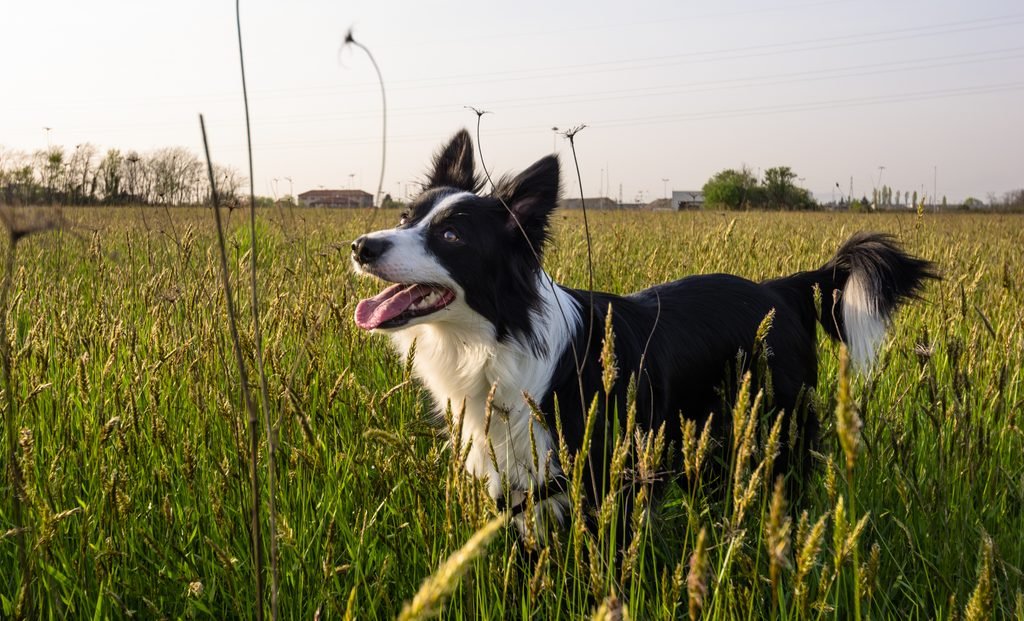
A bored, under-exercised high-energy dog will find its own entertainment, and that usually means your couch cushions.
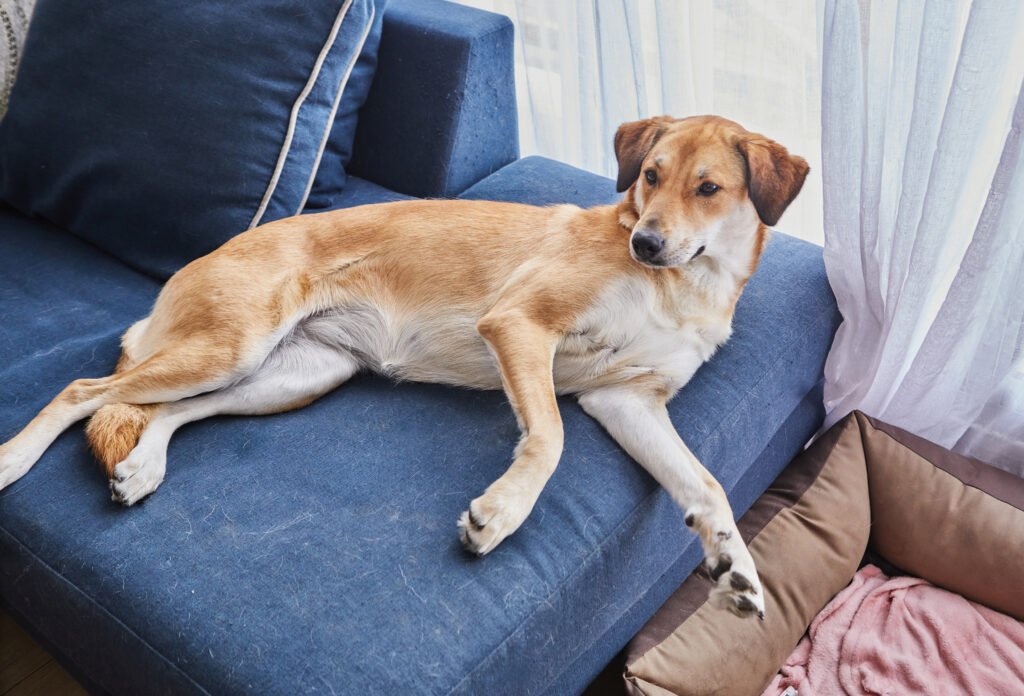
On the flip side, many calmer adult dogs are perfectly happy with a couple of good walks and plenty of naps.
Puppy or Adult Dog?
Which brings up another big decision: puppy or adult?
Puppies are adorable, but they’re basically tiny furry toddlers who need potty training, constant supervision, and a lot of patience.
Adult dogs, especially from shelters and rescues, often come with a known personality, and some are already house-trained.
If you’re a true beginner, an adult dog can be a fantastic choice.
And if you go the breeder route instead, do your homework and look for someone who prioritizes health and temperament, not just appearance.
The True Cost of Owning a Dog
Now let’s talk money, because this is where reality hits.
The adoption fee or purchase price is just the entry ticket.
You’ll be paying for:
- food
- vet visits
- vaccinations
- preventatives for things like fleas, ticks, and heartworm
- grooming
- toys
- the occasional surprise emergency
Costs vary a lot depending on where you live and the size of your dog, so build a realistic monthly budget and, if you can, set aside an emergency fund or look into pet insurance.
Getting Your Home Ready
Okay, you’ve chosen your dog. Before they arrive, get your home ready.
The basics are simple:
- food and water bowls
- a collar or harness with an ID tag
- a sturdy leash
- a comfortable bed
- a crate if you plan to crate train
- some chew toys
- poop bags
- and the food they’re currently eating
That last one is important. Switching food suddenly can upset a dog’s stomach, so if you want to change brands, do it gradually over a week or so.
Then get down on your hands and knees and look at your home from a dog’s point of view.
- Electrical cords
- trash cans
- shoes, medications
- cleaning products
- and certain human foods like chocolate, grapes, and anything containing xylitol can be dangerous.
If it’s at nose level and it’s interesting, assume your dog will find it.
The First Few Days
Now here’s something nobody tells you about the first few days.
Your new dog might not act like the dog you met.
They might hide, refuse to eat, have accidents, or seem completely shut down. That’s normal.
Everything is new and a little scary.
Many rescue organizations talk about giving a new dog days to decompress, weeks to learn your routine, and months to truly feel at home.
So keep things calm. Skip the big welcome party with every neighbor and relative.
Give them a quiet space, keep a predictable schedule, and let them come to you.
Stick To a Schedule
And speaking of schedules, routine is your secret weapon. Dogs thrive on predictability.
- Feed at the same times
- walk at the same times
- take them out to potty at consistent times – especially first thing in the morning, after meals, after naps, after play, and right before bed.
Puppy Potty Training
Let’s talk potty training, since it’s the number one stress point for new owners.
The formula is simple, even if it takes patience. Take your dog to the same spot outside often.
When they go, praise them and give a treat right away, within a second or two, so they connect the reward with the action.
If there’s an accident inside, don’t yell and definitely don’t rub their nose in it.
That old advice just teaches your dog to be afraid of you and to hide when they need to go.
Clean it with an enzyme cleaner so the smell doesn’t invite a repeat, and supervise more closely next time.
Check out our complete tutorial on Puppy Potty Training.
Obedience Training
That same principle applies to all training. Reward what you want to see more of.
Positive reinforcement, meaning treats, praise, and play, is widely recommended by modern trainers because it builds trust instead of fear.
Start with the essentials: their name, sit, stay, come, and leave it.
Keep sessions short, just five or ten minutes, and end on a win.
Recall, getting your dog to come when called, is the big one. It could genuinely save their life someday.
Learn even more about How to Train Your Dog.
Health Concerns
Next up, health. Within the first week or two, book a visit with a vet, even if your dog seems perfectly healthy.
They’ll check your dog over, set up a vaccination schedule, talk about parasite prevention, and discuss spaying or neutering if that hasn’t been done.
Ask about a microchip too.
Collars come off, but a microchip stays with your dog, and it can be the thing that reunites you if they ever get lost. Just make sure your contact details are registered and kept up to date.
For food, choose a complete and balanced diet appropriate for your dog’s age and size, and follow the feeding guide as a starting point, adjusting with your vet’s help.
A lot of dogs are overweight, and it often comes down to generous portions and too many treats.
You should generally be able to feel your dog’s ribs without pressing hard.
A Dog’s Mind and Body
Exercise and mental stimulation go hand in hand. Walks aren’t just for burning energy.
They’re how your dog reads the world, mostly through their nose. Let them sniff.
Add puzzle feeders, chew toys, and short training games, and you’ll be amazed how much calmer your dog becomes.
A tired brain is often just as powerful as tired legs.
And don’t forget grooming basics, like brushing, nail trims, and handling their paws and ears, so vet visits are less stressful.
Socializing Your Puppy
Socialization matters too, especially for puppies.
Gently expose them to different people, sounds, surfaces, and calm, vaccinated dogs, always at a pace where they feel safe.
Quality beats quantity here.
One positive experience is worth more than ten overwhelming ones.
The Mindset Shift
Alright, I promised you the mindset shift, and here it is.
Your dog isn’t being stubborn, spiteful, or trying to dominate you.
When a dog does something you don’t like, they’re usually doing one of three things:
- meeting a need
- repeating something that’s been rewarded
- or reacting because they’re confused, bored, or scared
Once you stop asking why your dog is being bad and start asking what your dog needs right now, everything changes.
You stop getting angry and start getting curious. And curiosity is what turns frustration into real progress.
There will be hard days. Chewed shoes, muddy paws, a three a.m. bathroom trip in the rain.
But there will also be the moment your dog chooses to curl up next to you, the first time they come running when you call, and the quiet realization that they trust you completely.
That’s what you’re building, one small, patient day at a time.